
Hakgala Botanical Garden
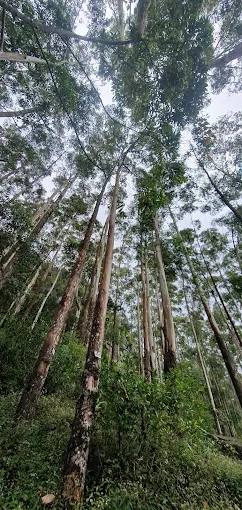
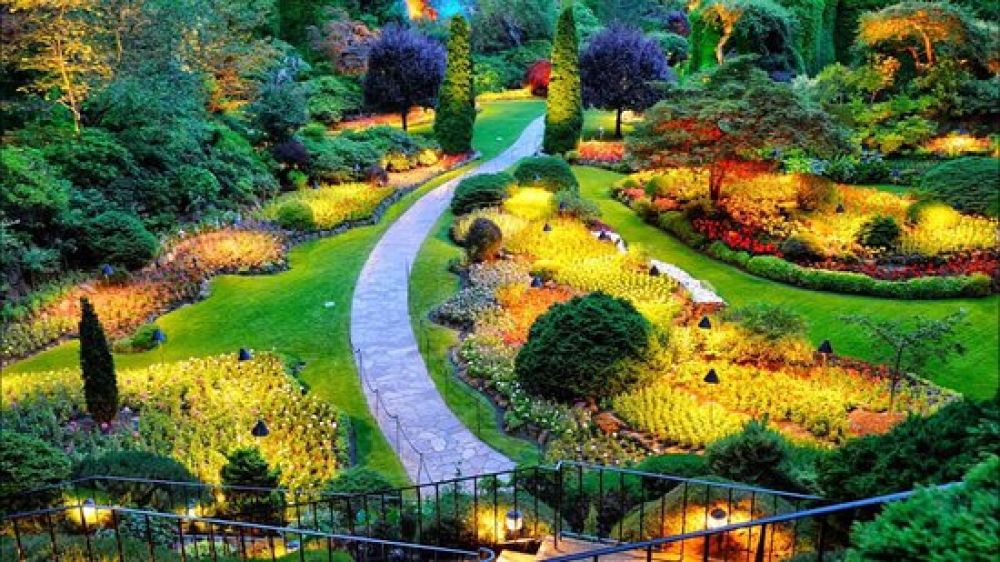
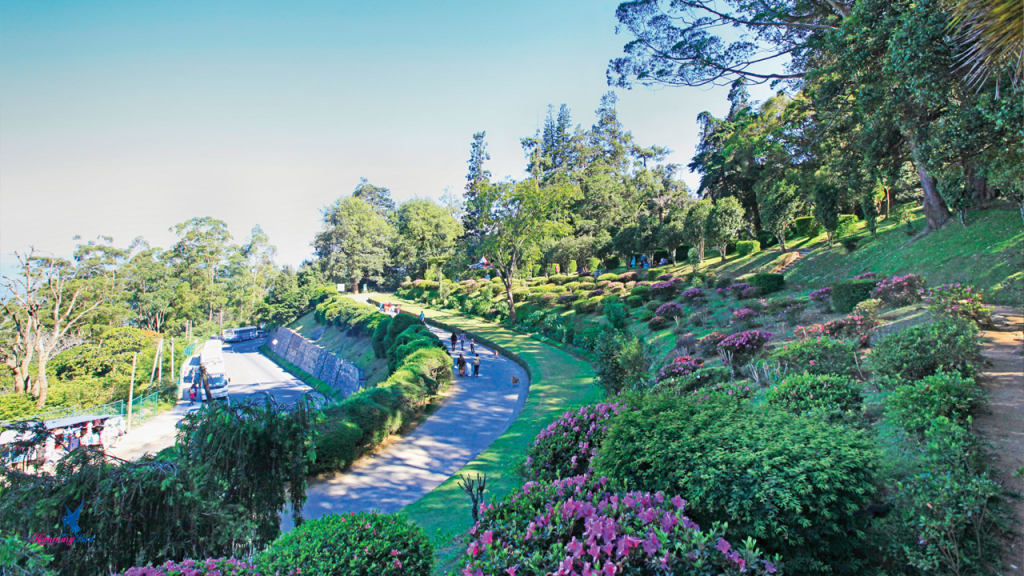
Hakgala Botanical Garden, the second-largest in Sri Lanka, is a stunning contrast of history and horticulture. It lies nestled at an elevation of 5,400 feet (1,745 meters) on the slopes of the massive Hakgala Rock—a formidable granite cliff that gives the garden its name, which translates to “Elephant’s Jaw Rock.” This unique setting grants the garden a cool, sub-temperate climate, fostering flora found nowhere else on the island.
From Myth to Medicinal Crops
The garden’s history is rooted in both legend and practical British colonial enterprise:
- The Ramayana Connection: According to Hindu mythology, the area encompassing Hakgala is the legendary Ashok Vatika (or Ashok Vanam). It is believed that after being abducted by King Ravana of Lanka, Princess Sita was kept hidden here. Ravana offered this lush, serene pleasure garden to Sita to ease her grief. The nearby Sita Amman Temple marks the spot where Sita is said to have worshipped Lord Rama.
- Colonial Purpose: The garden’s formal establishment was in 1861 by Dr. George Henry Kendrick Thwaites. It was initially an experimental plot for the cultivation of Cinchona (a medicinal plant used to produce quinine for malaria treatment).
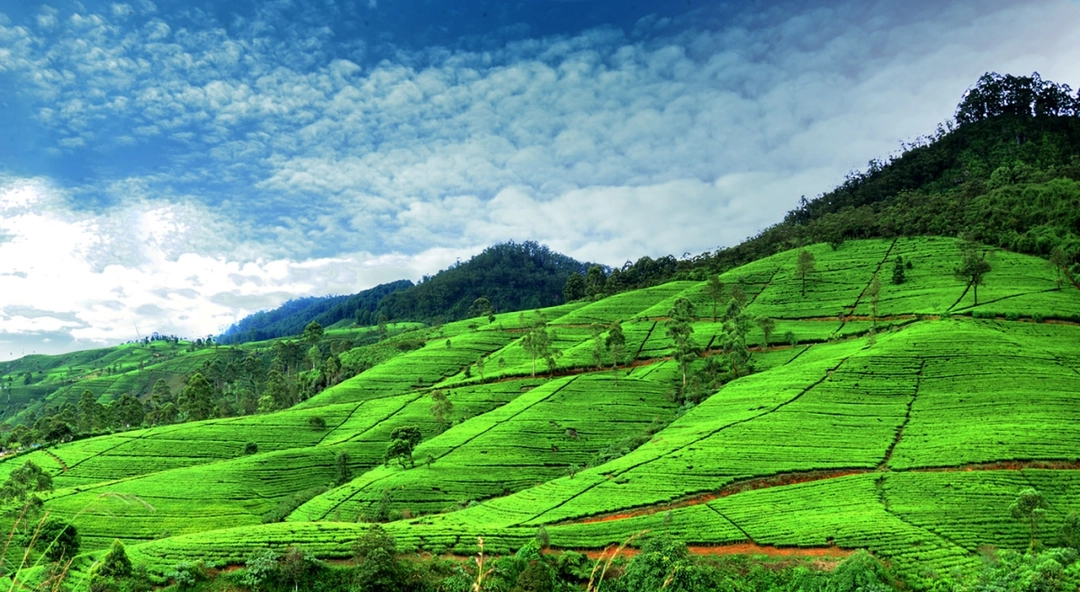
- The Tea Transition: When Cinchona cultivation waned, the land was quickly converted to test the feasibility of tea cultivation before finally being transformed into a true botanical garden in 1884.
A Haven for Temperate and Sub-Tropical Flora
Today, the 28-hectare garden is a masterpiece of landscape architecture, showcasing over 10,000 species of flora, including both indigenous montane plants and introduced species from temperate zones across the globe.
The garden is famous for its distinct sections, which include:
- The Rose Garden: A magnificent, terraced section featuring modern rose varieties imported from England and America, offering a brilliant splash of color.
- The Fernery: A tranquil space dedicated to an extensive assortment of prehistoric-looking ferns.
- The Glass House (Cactus House): Dedicated to arid-zone plants, showcasing a unique collection of cacti and succulents that thrive in the glass-enclosed environment.
- The Water Garden & Japanese Garden: Offering serene aesthetics and exotic species that contrast beautifully with the wilder surrounding montane forest.
Why go?
The mansion was the country seat of Mudaliyar Don Arthur de Silva Wijesinghe Siriwardena, a wealthy and influential landowner, philanthropist, and chief local administrator under the British Crown. His ambition for the house stemmed from a visit to his schoolmate, the Maharaja of Ramnad in India. After being refused the palace’s architectural plans (allegedly with the insinuation that Ceylonese craftsmen couldn’t handle the project), the Mudaliyar secretly commissioned local architects to sketch the design, determined to prove them wrong.
Tour Highlights
- Holiday with friends & family.
- As many activities & excursions as can be fitted in to your trip.
- Go any day of the week and most times of the year.