
Basilica of Our Lady of Lanka Ragama
You are right to ask for a better description. Focusing on the unique cultural blending and post-colonial significance of the Basilica enhances the narrative for visitors and for SEO.
Here is a richer, more descriptive version, suitable for a travel guide or cultural commentary:
The National Basilica of Our Lady of Lanka, Ragama (Tewatte)
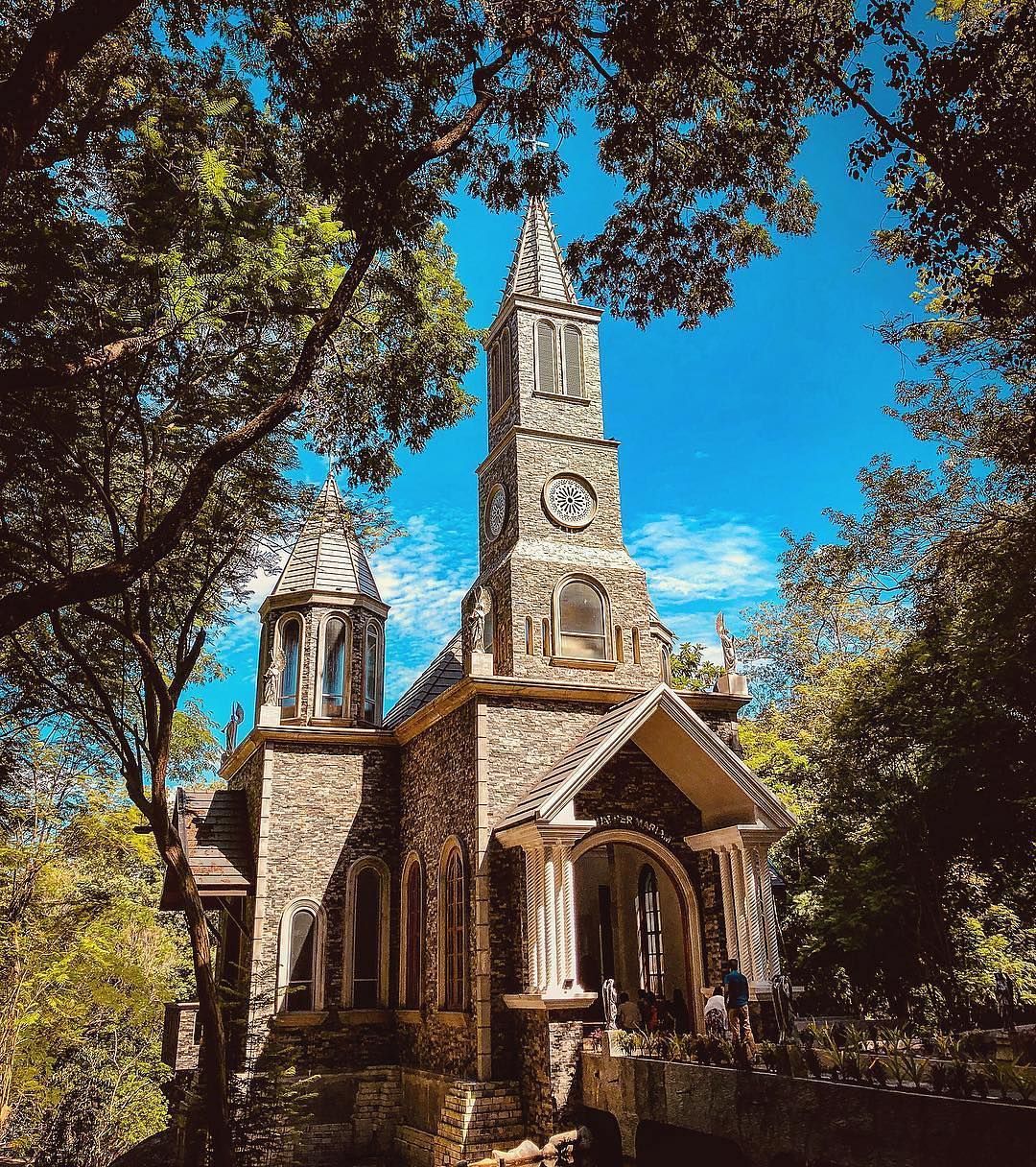
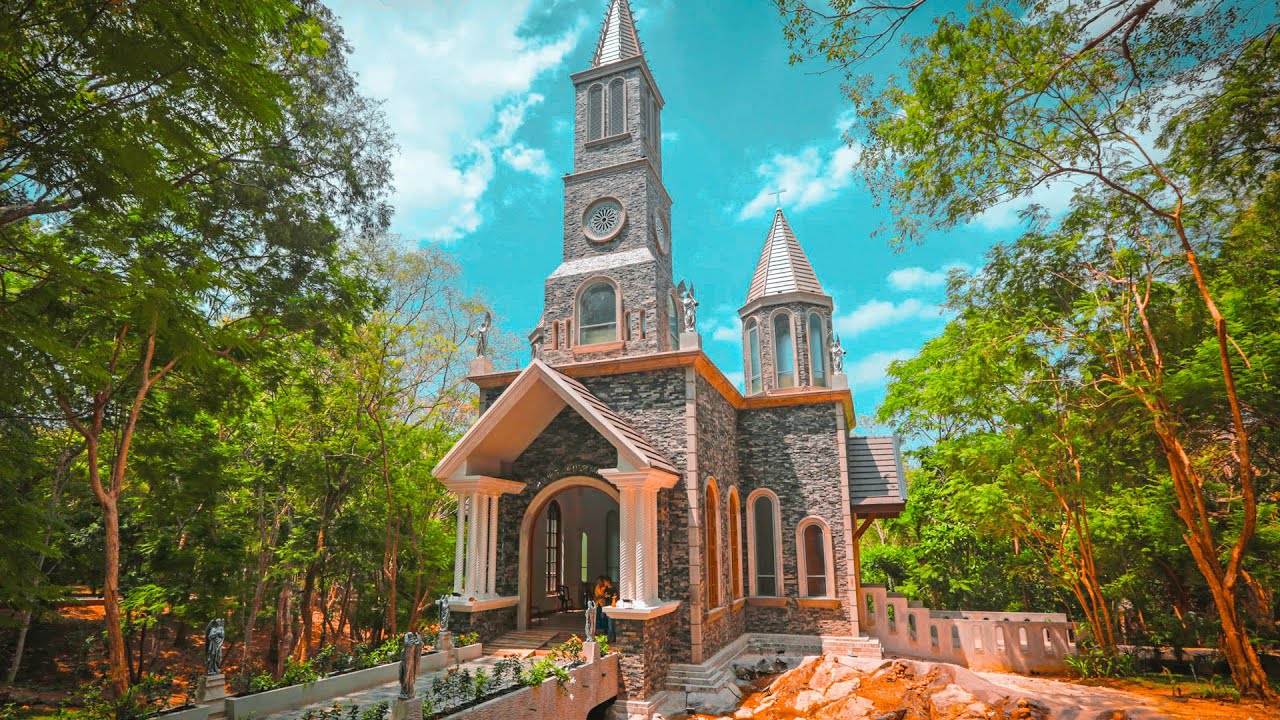
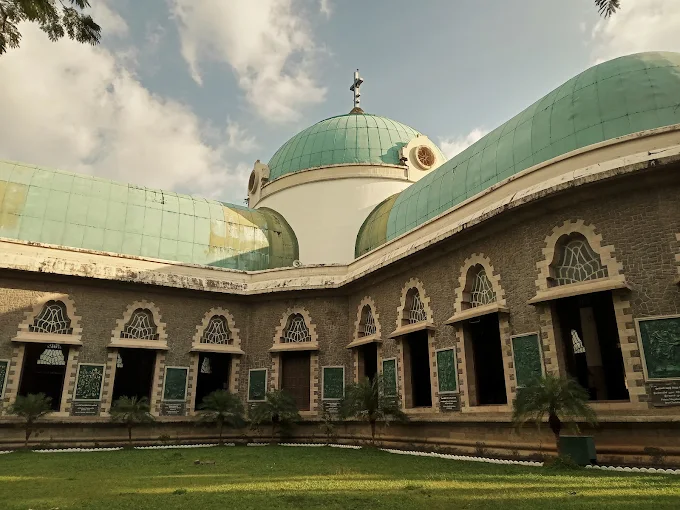
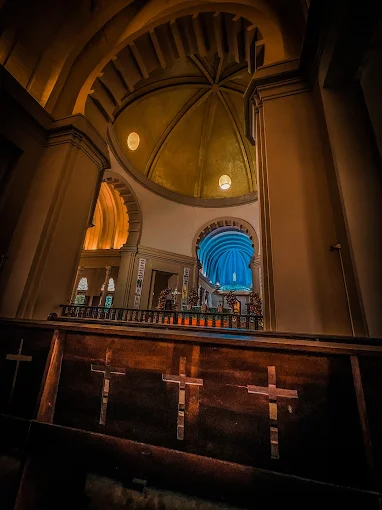
The Basilica of Our Lady of Lanka (Tewatte Basilica) is the National Marian Shrine of Sri Lanka and a striking architectural monument located in the peaceful suburb of Ragama, just 18km from Colombo. Elevated to the status of a Minor Basilica by Pope Paul VI in 1973, this complex stands as a powerful symbol of gratitude, faith, and national identity.
A Vow of Protection
The Basilica owes its existence to a profound act of faith during World War II. In 1940, the Archbishop of Colombo, Jean Marie Masson, made a solemn Votive Vow to the Blessed Virgin Mary, promising to build a grand church in her honor if Ceylon (Sri Lanka) was spared the full devastation of the war. When the island remained largely unscathed, the vow was fulfilled, establishing “Our Lady of Lanka” as the principal patroness of the nation.
Architecture: The Indigenisation of Faith
Designed by Spanish architect Fr. Heras, the Basilica is celebrated for pioneering the indigenisation of Christian architecture in Sri Lanka, creating a sacred space that resonates with both local and universal faith traditions.
- Syncretic Design: It masterfully blends Romanesque elements with local aesthetics, making the structure appreciated by Catholic, Buddhist, and Hindu devotees alike.
- Local Echoes: Look for the twin bell towers that subtly reflect the design of South Indian Hindu gopuram (gateway towers), and the massive granite plinth that recalls the raised bases of ancient Anuradhapura-era Buddhist structures.
- Symbolic Pillars: The entrance is framed by six commanding pillars, representing the original six dioceses of the island at the time the war-time vow was made.
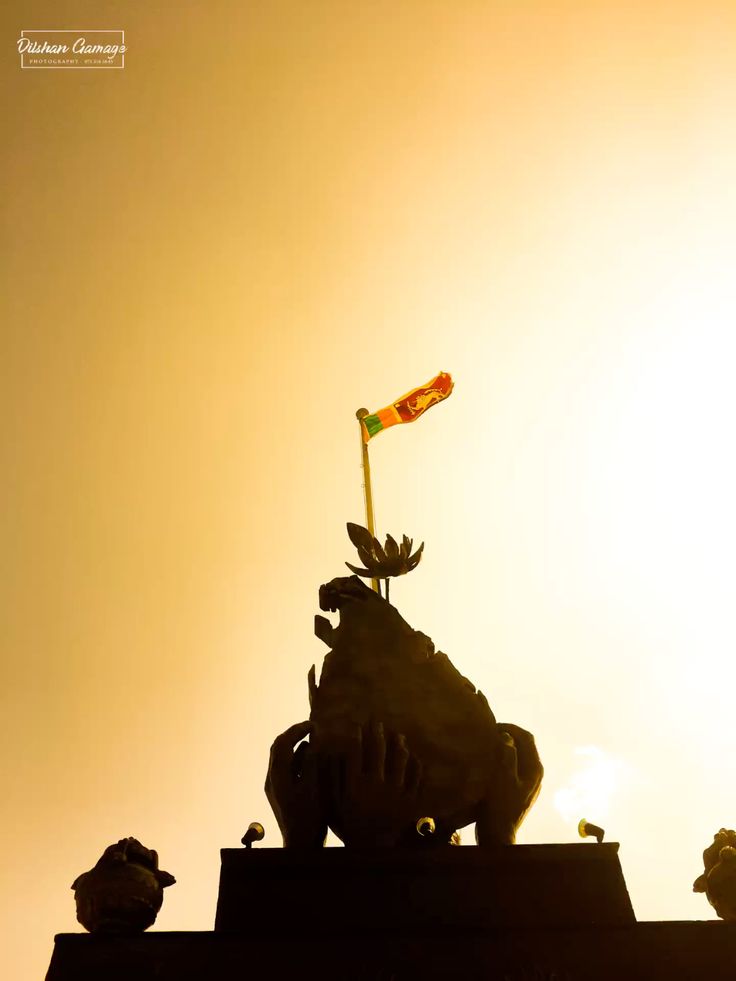
- The Statue: The venerated statue of Our Lady of Lanka itself incorporates the Na flower (Ceylon Ironwood), the national flower of Sri Lanka, at its base, explicitly rooting the patroness in the local culture.
Pilgrimage and Cultural Hub
Beyond its architecture, the Basilica is a major center for pilgrimage. Visitors are drawn by the site’s palpable serenity, vast wooded grounds, and the original Lourdes Grotto built in 1917.
- Annual Feast: The principal feast day is celebrated annually on February 4th (Sri Lanka’s Independence Day), drawing massive crowds of pilgrims from every corner of the country.
- Blessing of the Sick: The shrine is particularly renowned for its solemn Annual Blessing of the Sick service, where people of all faiths gather to seek intercession and healing.
This description provides the key facts while emphasizing the unique history (WWII Vow) and the specific cultural significance (Indigenised Architecture) that differentiate it from other sites.
Why go?
The Basilica owes its existence to a profound act of faith during World War II. In 1940, the Archbishop of Colombo, Jean Marie Masson, made a solemn Votive Vow to the Blessed Virgin Mary, promising to build a grand church in her honor if Ceylon (Sri Lanka) was spared the full devastation of the war. When the island remained largely unscathed, the vow was fulfilled, establishing “Our Lady of Lanka” as the principal patroness of the nation.
Tour Highlights
- Holiday with friends & family.
- As many activities & excursions as can be fitted in to your trip.
- Go any day of the week and most times of the year.