
Muthurajawela Wetlands
You asked for a better, more detailed description of the Muthurajawela Wetlands in Gampaha. Here is an expanded overview covering its natural history, wildlife, visitor experience, and the current conservation struggle.
Muthurajawela Wetlands: Sri Lanka’s Swamp of Royal Treasure
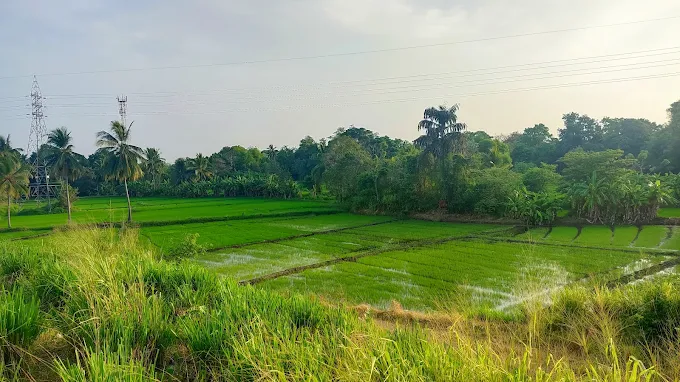
The Muthurajawela Wetlands is the largest saline coastal peat bog in Sri Lanka, nestled on the western coast of the Gampaha District. Its name, translating to the “Swamp of Royal Treasure,” reflects its immense, though threatened, ecological value.
Geological and Historical Context 🌎
- Integrated Ecosystem: The marsh forms an integrated and tide-influenced coastal wetland ecosystem with the Negombo Lagoon to the north, covering over 6,000 hectares.
- Unique Geology: The area is a massive peat bog, with soils that are often hypersulfidic. Historically, human attempts to convert the land for paddy cultivation failed centuries ago due to salinity and poor drainage, leading to its current formation as a large marsh.
- Legal Protection: Recognizing its status as a high-priority wetland, the northern section, spanning 1,777 hectares, was officially declared the Muthurajawela Wetland Sanctuary in 1996.
Rich Biodiversity 🌿
Muthurajawela is a transitional zone between freshwater and seawater, creating a diverse brackish environment that supports a complex web of life:
| Category | Key Figures | Notable Species |
| Flora | Over 194 species | Dense Mangrove forests, reed swamp, marsh vegetation. The mangrove system is vital for coastal stability and as a fish nursery. |
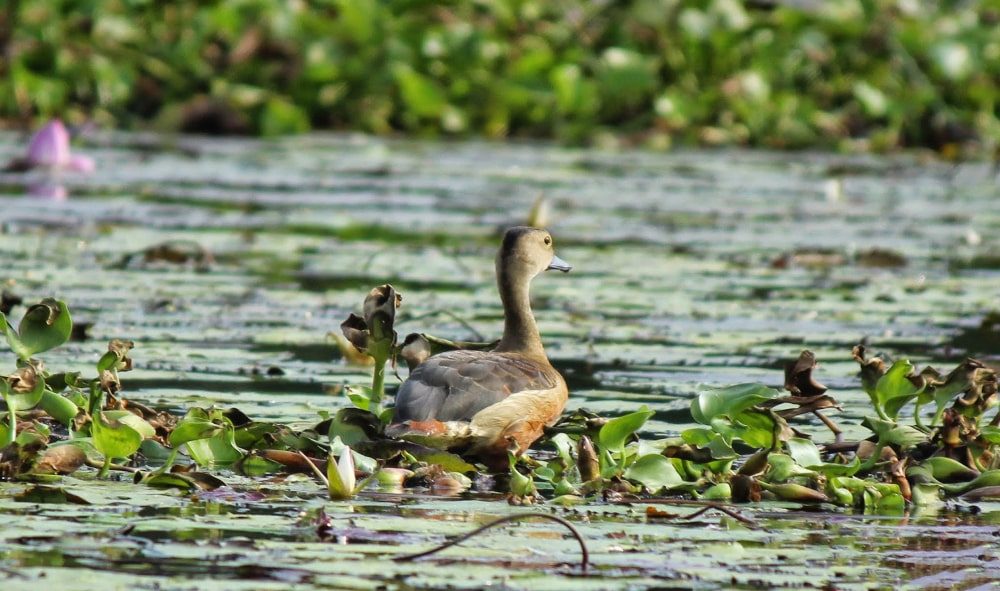
| Birds | Over 102 species (40% of Sri Lanka’s avifauna) | Migratory Birds (October to April), diverse Waterbirds like Kingfishers (4 species), Herons, Egrets, Cormorants, and the Glossy Ibis. |
| Reptiles | 31 species (including 6 endemics) | Water Monitors (Varanus salvator), Indian Python, Spectacled Cobra, and the Estuarine Crocodile (Crocodylus porosus). |
| Mammals | 22 species (including 1 endemic) | The globally threatened Grey Slender Loris and the elusive Fishing Cat. |
| Fish | 40 species | Supports both freshwater and marine-migratory species, which are critical to the local fishing industry in the Negombo Lagoon. |
Export to Sheets
Visitor Experience: Boat Safaris 🛶
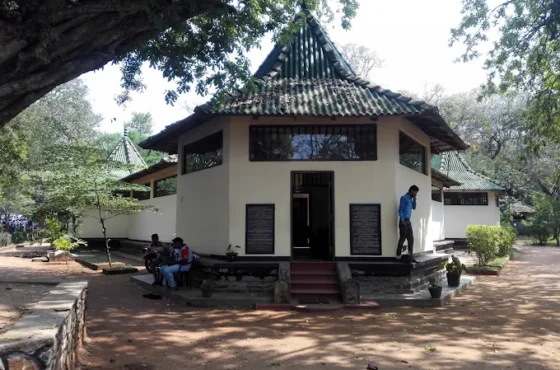
The best and often only way to experience the Sanctuary is through a guided boat safari, typically starting from the Muthurajawela Marsh Centre near Pamunugama.
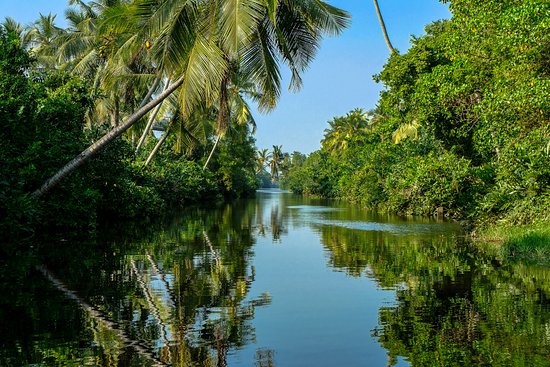
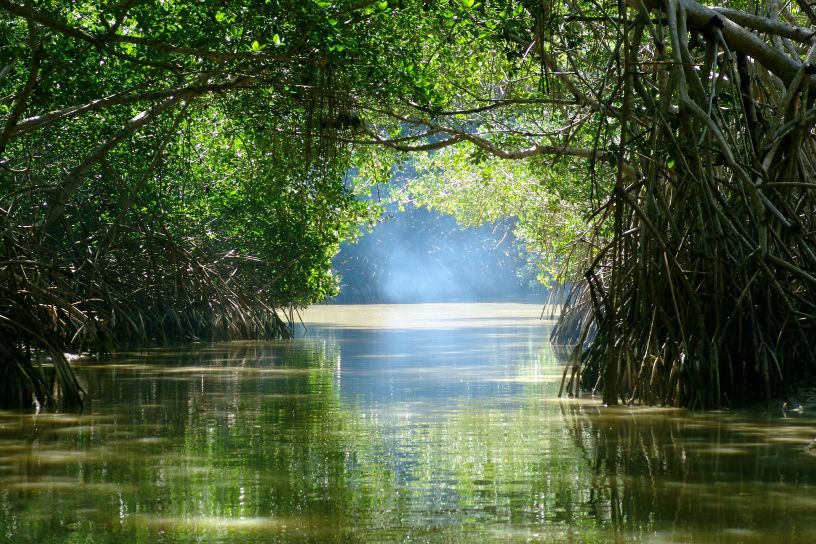
- Activities: The main activity is birdwatching and wildlife spotting as the boat navigates through the narrow waterways, marsh channels, and mangrove swamps before reaching the wider Negombo Lagoon.
- Best Time to Visit:
- Bird Migration: November to April is ideal, as this is when migratory species flock to the wetlands.
- Time of Day: Early morning (around 6:00 AM) is highly recommended for the best bird activity and cooler weather.
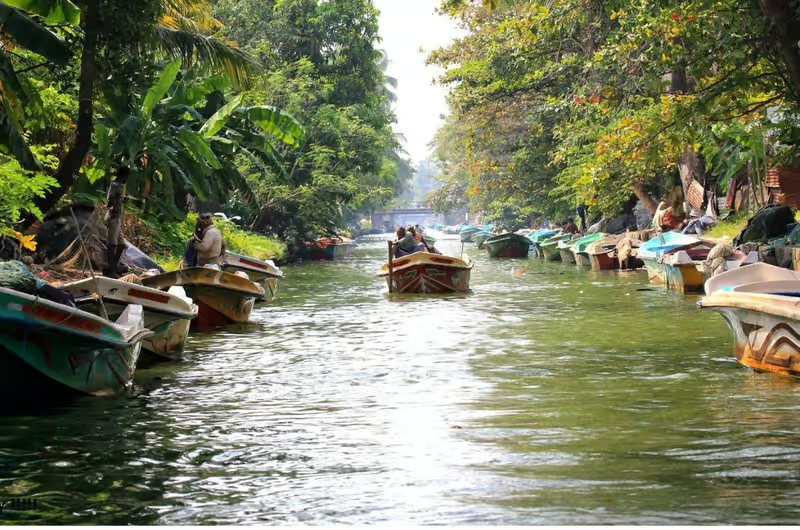
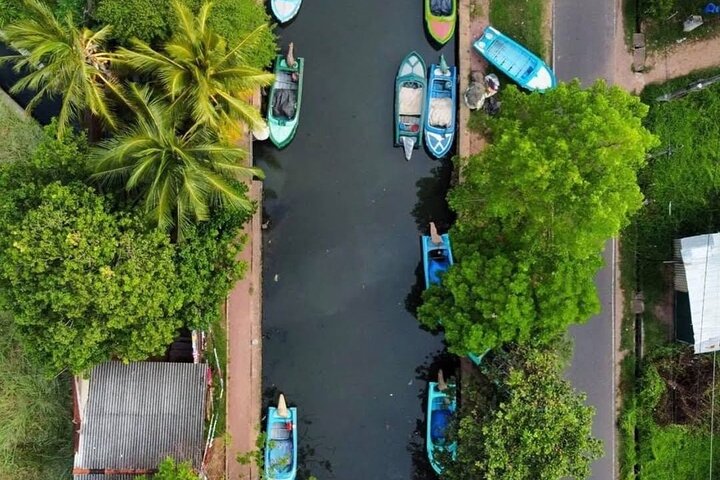
- The Route: Tours often include a stretch of the historic Hamilton Canal (Old Dutch Canal), providing a glimpse into the history and local life of the region before entering the dense, protected marsh.
Major Threats and Conservation Struggle 🚨
The wetlands are often referred to as the “Lungs of the Western Province” due to their crucial role in environmental regulation. However, their future is precarious:
- Habitat Destruction: Illegal land filling for housing, commercial ventures, and industrial projects continually reduces the marshland area, destroying habitats and severely compromising its ability to absorb floodwater.
- Severe Pollution: The wetlands are used as an unregulated dumping site for domestic garbage, industrial effluents, and hospital waste, leading to chemical contamination that endangers both wildlife and the health of surrounding communities.
- Governance Issues: Despite having legal protection, the area is frequently subject to controversial decisions and a lack of enforcement, which often leads to community protests and legal battles by environmental groups seeking to protect this valuable ecosystem.
Why go?
The Muthurajawela Wetlands is the largest saline coastal peat bog in Sri Lanka, nestled on the western coast of the Gampaha District. Its name, translating to the “Swamp of Royal Treasure,” reflects its immense, though threatened, ecological value.
Tour Highlights
- Holiday with friends & family.
- As many activities & excursions as can be fitted in to your trip.
- Go any day of the week and most times of the year.